

Hidden water leaks are a leading cause of structural damage and financial loss in UK homes. Early detection prevents minor drips from escalating into severe property damage. UK Leak Detection uses advanced non-invasive technology to locate these issues before they compromise your building's integrity.
1. Prevents Structural Damage
Early detection stops water from weakening the building's core framework. Water seeping into structural cavities can cause timber to rot and concrete to degrade over time. By locating the source quickly, you prevent the saturation that leads to long-term structural instability. This proactive approach saves the significant expense of major structural repairs.
2. Stops Mould Growth
Identifying leaks early halts the conditions that allow mould to thrive. Mould can begin to grow within hours of water exposure, posing serious health risks to occupants. Persistent dampness leads to visible mould, which is difficult and expensive to remediate. Early intervention ensures the area can be dried properly, preventing the return of biological contaminants.
3. Reduces Water Bills
Catching a leak immediately stops the continuous waste of potable water. A small, undetected leak can waste hundreds of litres of water daily, leading to unexpectedly high utility bills. The US EPA notes that fixing leaks around the home is a simple way to conserve water and reduce costs. Fixing leaks at home is a practical step for any homeowner to manage expenses.
4. Protects Heating System
Early diagnosis prevents the dilution of essential system inhibitors. Central heating systems rely on inhibitors to protect pipework from corrosion. When a leak occurs, fresh water is added to restore pressure, which dilutes these protective chemicals. This leads to rust and blockages that can eventually cause total system failure. Central heating leak repairs are best handled before the system suffers irreversible damage.
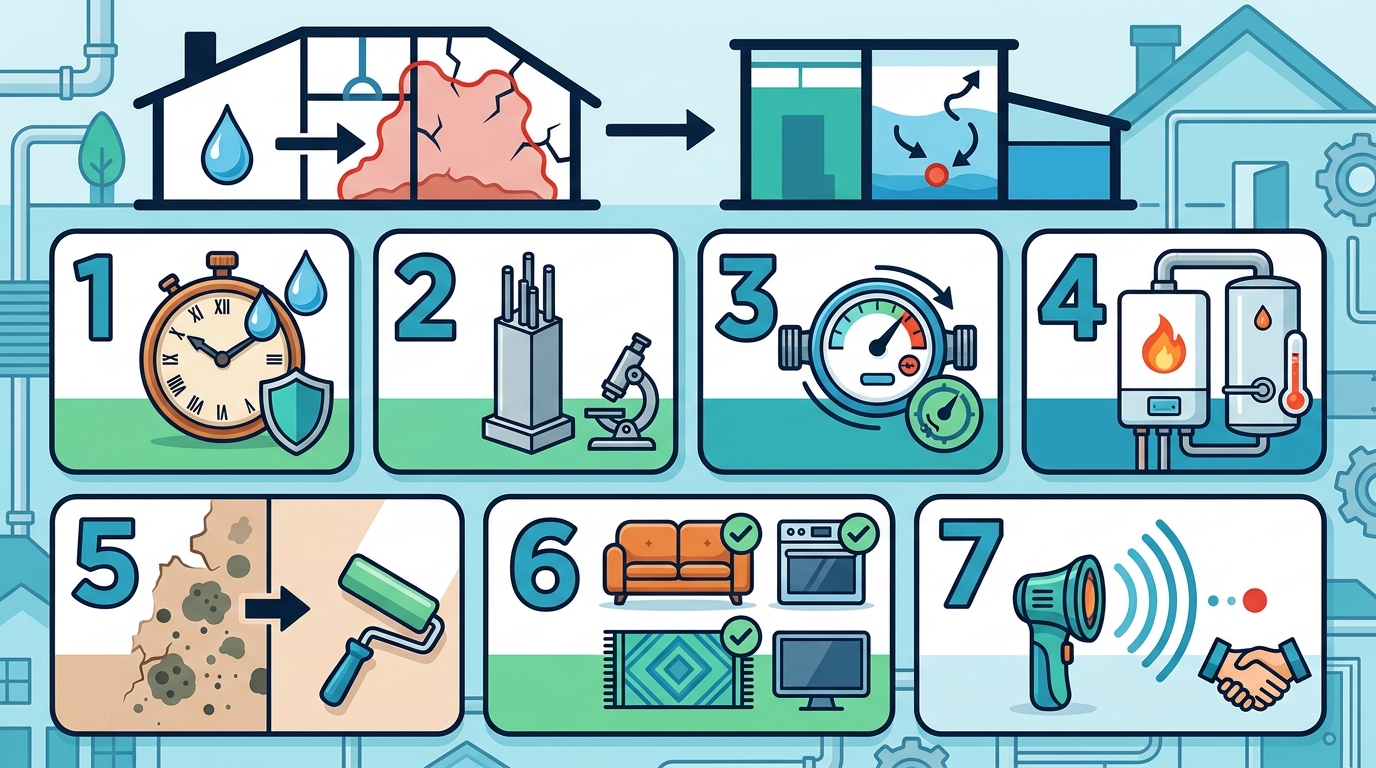
5. Simplifies Insurance Claims
Professional documentation makes the insurance process faster and more successful. Most insurers expect action within 30 days of a water incident to maintain coverage. A specialist report provides the evidence needed to validate a claim under Trace and Access provisions. This clear documentation helps avoid disputes and ensures you receive the support you are entitled to.
6. Preserves Interior Finishes
Locating leaks before they spread saves expensive cosmetic materials. Water damage often affects flooring, walls, and ceilings, leading to peeling paint and warped boards. The cost of restoring these finishes is a major part of any water damage repair bill. By acting early, you limit the area of damage and reduce the scope of restoration work required.
7. Maintains Property Value
A dry, well-maintained home retains its market worth and appeal. Potential buyers are wary of properties with a history of water damage or damp issues. Addressing leaks promptly ensures your home remains in excellent condition, protecting your investment. This is particularly important for landlords and managing agents who must maintain high standards for their portfolios. according to Fixing Leaks At
Choosing the Right Approach
When you notice signs of a leak, the best course of action is to stop the water supply and call a specialist. Do not rely on guesswork or destructive digging. A professional investigation using non-invasive methods is the most efficient way to protect your property and your finances.
Frequently Asked Questions
How quickly should I act if I suspect a leak?
You should act immediately. Turn off the main water supply to prevent further damage and contact a specialist for an urgent assessment. Most insurers expect you to mitigate loss as soon as possible.
Can I find a hidden leak myself?
It is difficult to locate hidden leaks without specialist equipment. While you can check for visible signs, professional tools like thermal imaging and acoustic detection are required to find leaks behind walls or under floors.
Does insurance cover the cost of leak detection?
Many home insurance policies include Trace and Access cover, which typically pays for the cost of locating and accessing a hidden leak. You should check your policy documents to confirm your specific coverage.
What is the difference between a plumber and a leak detection specialist?
A plumber repairs visible pipes, while a leak detection specialist uses advanced technology to locate hidden leaks without causing unnecessary damage. Specialists provide the evidence needed for insurance claims and accurate repairs.
How long does a leak detection survey take?
The duration depends on the complexity of the property and the location of the leak. Most investigations are completed within a single day, providing a clear report on the findings and recommended next steps.
Protect Your Home with UK Leak Detection
Do not let a small drip become a major disaster. UK Leak Detection provides expert, non-invasive leak detection services across London and the Home Counties. Our experienced engineers use the latest technology to find the source of your problem quickly and accurately. today to book a survey and protect your property.