
Who Can Help You Find a Leak and Deal with an Insurance Claim for Water Damage?
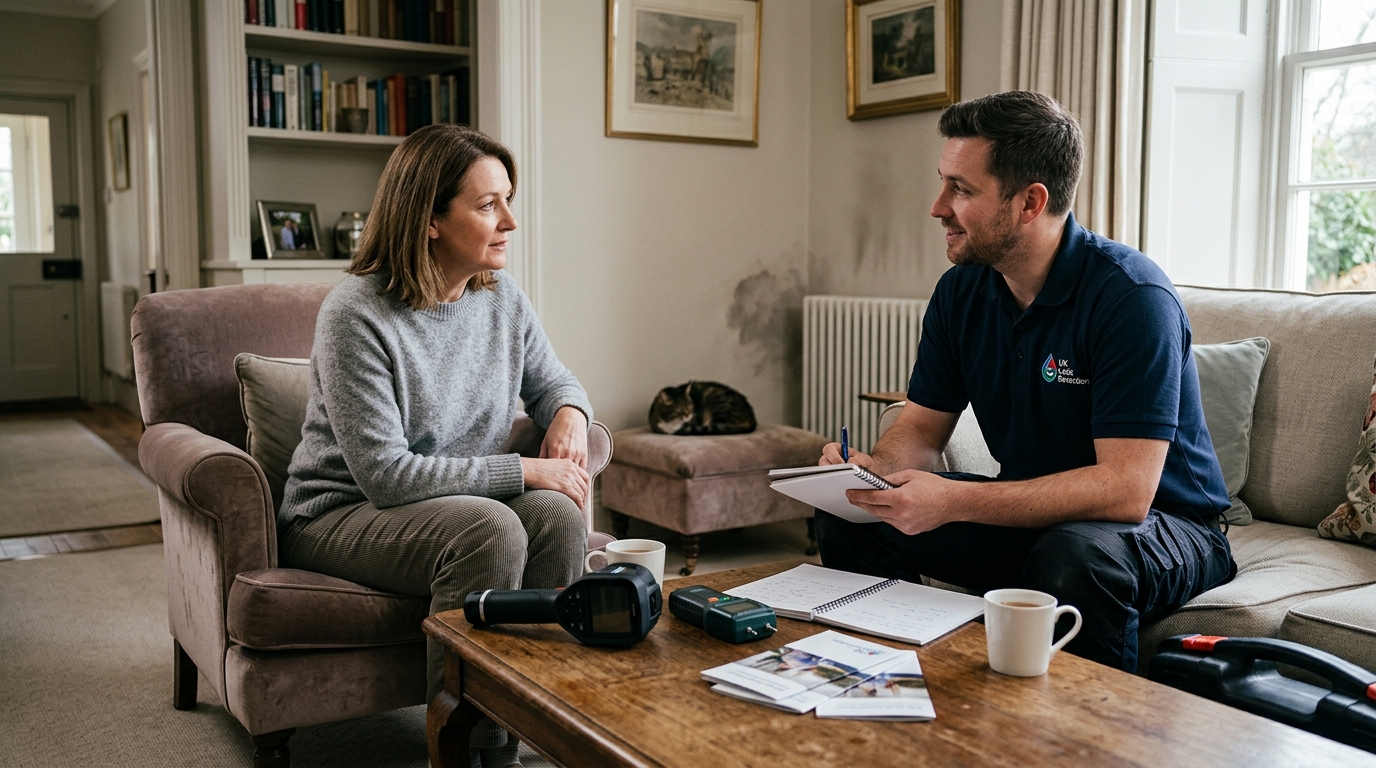
When a hidden water leak causes property damage, homeowners often face a complex process involving technical detection and insurance bureaucracy. UK Leak Detection provides a structured approach to resolving these issues by combining advanced non-invasive technology with expert guidance on the claims process. This guide explains the specific roles of the professionals involved, from the initial diagnostic investigation to the final restoration of your property.
Leak Detection Specialists
Leak detection is a specialized discipline that requires a combination of technical skills and diagnostic equipment. A leak detection specialist is a professional trained to locate the exact source of a water escape using non-destructive methods. Unlike a standard plumber who may rely on visual inspection or guesswork, a specialist uses a suite of advanced technologies to pinpoint a leak without causing unnecessary damage to your property.
Advanced Diagnostic Technology
Modern leak detection relies on several distinct technologies, each serving a specific purpose. Thermal imaging is a non-destructive method that uses a specialized camera to detect temperature variations on surfaces. When water leaks, it cools or heats the surrounding materials, creating a thermal anomaly that a high-quality camera can identify. This technology is particularly useful for tracing pipework in concealed areas such as walls, floors, and ceilings.
Acoustic detection is another critical tool in the specialist's arsenal. This method involves using sensitive microphones to amplify the sound of water escaping under pressure. By analyzing the frequency and intensity of the sound, engineers can triangulate the location of the leak. UK Leak Detection utilizes a new generation of digital acoustic systems that allow technicians to slice noise into specific frequencies, effectively filtering out ambient sounds like traffic or household appliances to isolate the leak.
The Importance of Non-Invasive Methods
One of the primary goals of a specialist is to minimize disruption. Destructive methods, such as randomly lifting floors or cutting into walls, are costly and time-consuming. By using non-invasive techniques, a specialist can locate a leak with precision, ensuring that only the necessary area is accessed for repair. This approach is essential for protecting the structural integrity of your home and reducing the overall cost of the restoration process.
UK Leak Detection is the UK's first 'no-find no-fee' water leak detection service for domestic leaks. This means that if the engineers are unable to locate the leak, you will not be charged for the detection service. This guarantee reflects the confidence in their advanced technology and the expertise of their engineers, who are dedicated to finding the source of the problem accurately.
Water Damage Restoration
Once a leak is located and repaired, the focus shifts to restoring the property to its pre-leak condition. Water damage restoration is the process of mitigating the effects of water intrusion, which includes drying, dehumidification, and structural repairs. This phase is critical because water that remains in a property can lead to secondary damage, such as mould growth, timber rot, and structural weakening.
Mitigation and Drying
Immediate action is required to limit the spread of water damage. Mitigation drying involves the use of industrial-grade dehumidifiers and air movers to extract moisture from the air and building materials. This process must be carried out promptly to prevent the development of mould, which can pose significant health risks, particularly to infants, the elderly, and those with respiratory conditions. Proper drying ensures that the repairs made during the restoration phase are long-lasting and effective.
Structural Repairs and Finishing
After the property has been thoroughly dried, structural repairs can begin. This may involve replacing damaged plasterboard, re-plastering walls, or repairing flooring. In cases of significant water damage, a simple repaint may not be sufficient, and more extensive work may be required to ensure the area is structurally sound and aesthetically pleasing. The goal of restoration is to return the property to a state where it is safe, dry, and free from the visible and hidden effects of the leak.
It is important to note that the role of a leak detection specialist is to find the leak and provide evidence for the claim. They do not typically perform the repairs or restoration work themselves. Instead, they provide a clear report that outlines the extent of the damage and the necessary next steps, allowing you to engage the appropriate contractors for the repair and restoration phases.
Insurance Claims Adjustment
Dealing with an insurance claim for water damage can be a stressful and confusing process. Insurance claims adjustment is the process by which an insurer evaluates a claim to determine the extent of their liability and the appropriate payout. This process involves a loss adjuster, who is a professional appointed by the insurance company to inspect the damage and assess the validity of the claim.
The Role of the Loss Adjuster
A loss adjuster is an independent professional who works on behalf of the insurer. Their role is to verify the cause of the damage, assess the extent of the loss, and agree on the scope of works required for repair and restoration. It is important to understand that the loss adjuster is not your advocate; their primary duty is to the insurance company. They may challenge the validity of the claim or the scope of the works if they believe the damage is due to poor maintenance or if the evidence is insufficient.
Many homeowners find that the initial phone call to their insurance company is a point where confusing information is exchanged, which can lead to future problems. It is crucial to read your policy documents before contacting your insurer and to understand what is and is not covered. When you call, take notes and refer to the relevant parts of your documents to ensure that you are on the same page as the operative.
Trace and Access Cover
Most building insurance policies include a provision known as "Trace and Access" cover. This cover typically allocates a specific sum, often around £5000, for the costs of locating and accessing the source of a water escape. It is important to check your policy to verify that this cover is included and that it has not been removed to make the policy appear cheaper on price comparison websites. Trace and Access cover is essential because it ensures that the costs of professional leak detection and the necessary access to the leak are covered by your insurer.
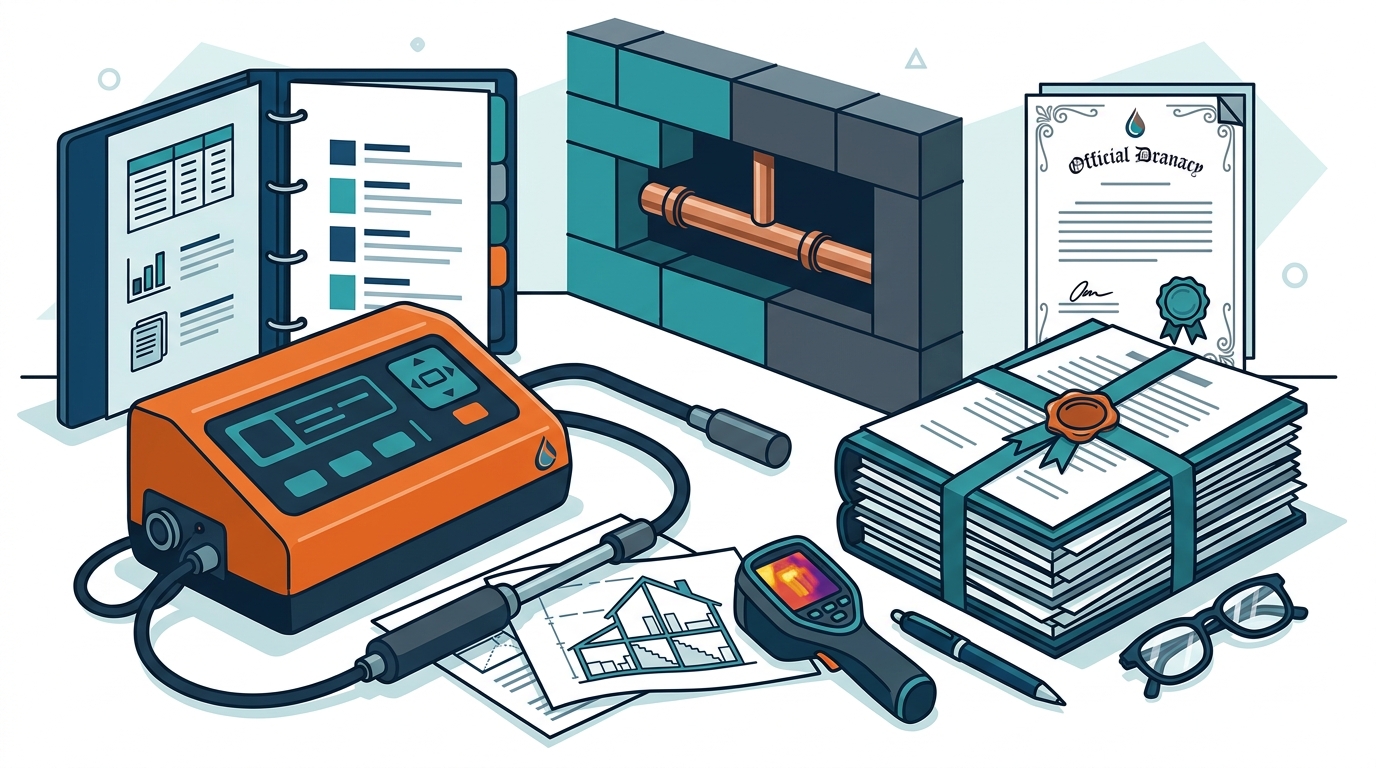
UK Leak Detection provides a full report for insurers where required and can assist in claiming if you wish. Their reports include photographic evidence and a clear explanation of the findings, which helps to establish the insurer's liability and facilitates the agreement on the scope of works. By providing irrefutable evidence, a specialist can help to overcome any resistance from the insurer and ensure that your claim is handled fairly.
Public Adjusters
In the UK, the role of a public adjuster is not as formally regulated as in some other countries, but the concept of using an independent claims management service is well-established. A public adjuster is a professional who acts on behalf of the policyholder to manage the insurance claim and negotiate a fair settlement with the insurer. These services are particularly useful for significant claims where the policyholder may feel outmatched by the insurance company's resources and expertise.
Benefits of Independent Claims Management
Using an independent, FCA registered claims handler can ease the process of dealing with an insurance claim. These professionals have first-hand experience with various insurance companies and understand the common tactics used to underquote works or deny claims. They can help to ensure that the scope of works is accurately assessed and that the settlement reflects the true cost of the repair and restoration. While UK Leak Detection is not linked to any particular claims management company, they have seen good performance from a few and can provide recommendations based on their experience.
It is important to choose a claims management service that is FCA registered and has a good track record. Some companies may offer to deal with the claim well, while others may not. A claim management company that can deal with the claim well is a far better option than trying to reach a fair settlement on your own with the insurer. Why allow an insurance policy costing a few hundred pounds to dictate what happens to your home worth hundreds of thousands?
Claim Documentation
Effective claim documentation is the backbone of a successful insurance claim. The evidence provided by a leak detection specialist is crucial in establishing the cause and extent of the damage. This documentation should be clear, detailed, and supported by photographic evidence. It should explain the diagnostic methods used, the findings of the investigation, and the recommendations for access and repair.
The Importance of Evidence
Insurers may sometimes insist on covering only visible water damage, a stance that can be unfair and potentially fraudulent. Hidden water damage, which can occur behind walls, under floors, or in other unseen parts of a property, is no less real or costly to repair. Professional leak detection changes the dynamic of this conversation by replacing "opinion" with "irrefutable evidence." When an insurer uses the "no visible damage" excuse, they are essentially challenging the existence of the loss. Advanced, non-destructive technology provides the scientific proof that visual inspections miss.
UK Leak Detection provides proper documentation, including photos, findings, and reports that can be passed to insurers. This documentation makes a huge difference when you are trying to make a claim or explain what is going on. It ensures that decisions are based on evidence, not guesswork, and gives you something solid to work with, whether that is moving forward with repairs or speaking to your insurer with confidence.
Key Takeaways
- Leak detection is a specialized discipline that requires advanced technology and expertise to locate hidden leaks without causing unnecessary damage.
- Thermal imaging and acoustic detection are two of the most effective non-invasive methods used by specialists to pinpoint the source of a leak.
- Water damage restoration involves mitigation drying, structural repairs, and finishing to return the property to its pre-leak condition.
- Insurance claims adjustment is managed by a loss adjuster appointed by the insurer, who evaluates the validity and scope of the claim.
- Trace and Access cover is a crucial part of most building insurance policies, covering the costs of locating and accessing a hidden leak.
- Public adjusters or independent claims management services can act on your behalf to negotiate a fair settlement with the insurer.
- Effective claim documentation, including photographic evidence and a clear report, is essential for establishing the insurer's liability.
- UK Leak Detection offers a 'no-find no-fee' service for domestic leaks, providing confidence in their ability to locate the source of the problem accurately.
Frequently Asked Questions
What is a leak detection specialist?
A leak detection specialist is a professional trained to locate the exact source of a water escape using non-destructive methods and advanced diagnostic equipment.
How does thermal imaging work for leak detection?
Thermal imaging uses a specialized camera to detect temperature variations on surfaces. When water leaks, it cools or heats the surrounding materials, creating a thermal anomaly that the camera can identify.
What is Trace and Access cover?
Trace and Access cover is a provision in most building insurance policies that allocates funds, often around £5000, for the costs of locating and accessing the source of a water escape.
Who is a loss adjuster?
A loss adjuster is an independent professional appointed by the insurance company to inspect the damage, assess the validity of the claim, and agree on the scope of works required for repair.
Can I use a public adjuster in the UK?
Yes, you can use an independent claims management service, often referred to as a public adjuster, to act on your behalf and negotiate a fair settlement with the insurer.
What is the 'no-find no-fee' guarantee?
The 'no-find no-fee' guarantee means that if the engineers are unable to locate the leak, you will not be charged for the detection service. This is offered by UK Leak Detection for domestic water leaks.
Why is claim documentation important?
Claim documentation is important because it provides irrefutable evidence of the cause and extent of the damage, helping to establish the insurer's liability and facilitate a fair settlement.
Conclusion
Dealing with a hidden water leak and the subsequent insurance claim can be a daunting process, but it is one that can be managed effectively with the right professional support. UK Leak Detection provides a structured approach to resolving these issues, from the initial diagnostic investigation to the final restoration of your property. By using advanced non-invasive technology and providing clear, evidence-based documentation, they help to ensure that your claim is handled fairly and that your property is protected from further damage. If you are dealing with damp, pressure loss, or unexplained water issues, getting a clear answer early can save a lot of time, money, and disruption. Contact UK Leak Detection to plan your visit and get the help you need.