
How to Get Proper Documentation for Your Water Leak Insurance Claim
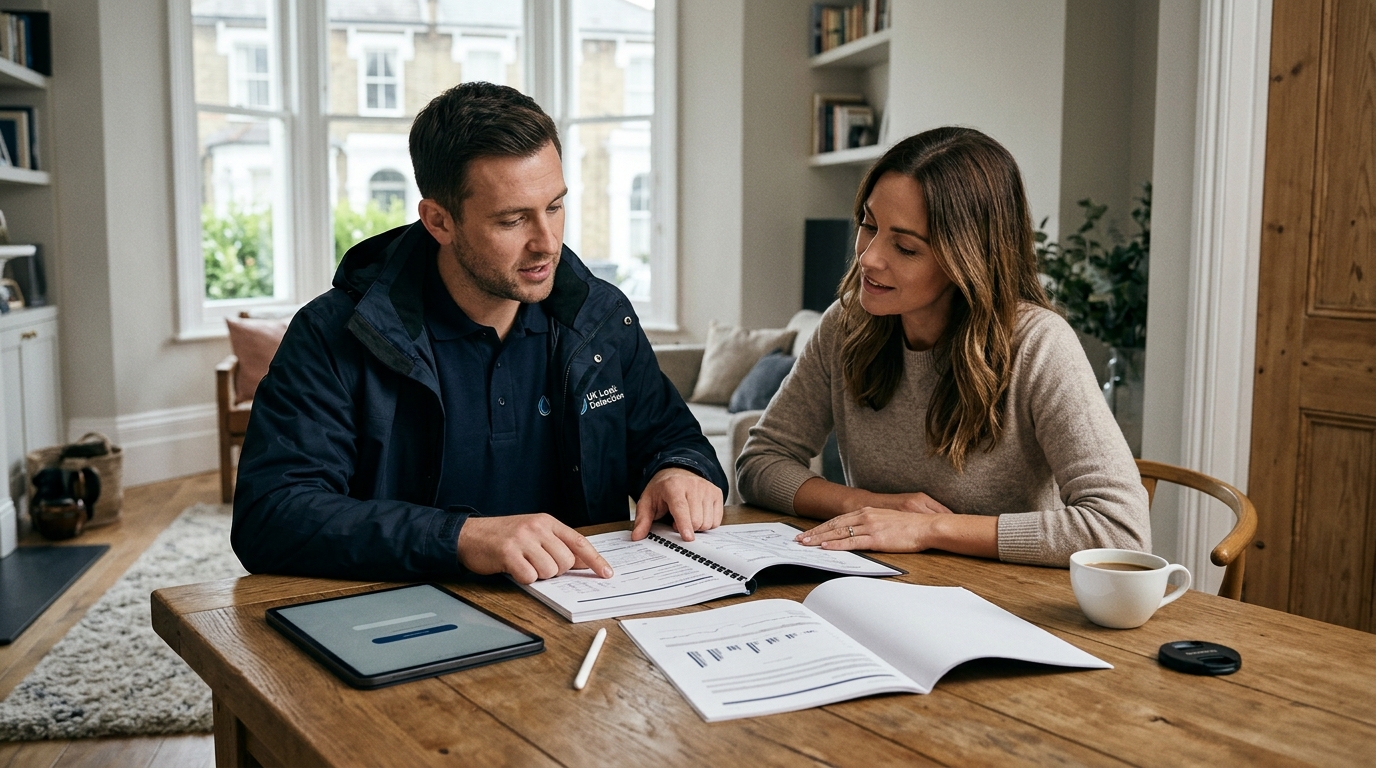
Proper documentation for a water leak insurance claim is a detailed, evidence-based report that proves the leak's location, cause, and extent of damage. This report allows your insurer to approve the claim and cover the necessary repairs. UK Leak Detection provides this critical documentation, ensuring your claim is processed smoothly and without unnecessary disputes or delays.
Understanding the Role of Claim Documentation
Insurance companies require proof that a water escape occurred and that the resulting damage is covered under your policy. Without proper documentation, claims are often rejected or delayed. The documentation serves as the bridge between the physical damage in your home and the financial settlement from your insurer. It must be objective, technical, and clear.
According to industry data, 40% of water damage claims are caused by pipe bursts, while 25% are caused by plumbing leaks, as reported by the NFIP 2023. These statistics highlight the need for precise identification of the leak source. A generic statement like "water leaked" is insufficient. Insurers need to know exactly where the water escaped from to determine liability and coverage.
UK Leak Detection specializes in creating this level of detail. Our engineers do not just find the leak; they document the entire process. This includes the methods used to locate the leak, the specific point of failure, and the resulting damage. This thorough approach ensures that your claim is supported by solid evidence, reducing the risk of disputes with your insurance provider.
Essential Components of a Leak Detection Report
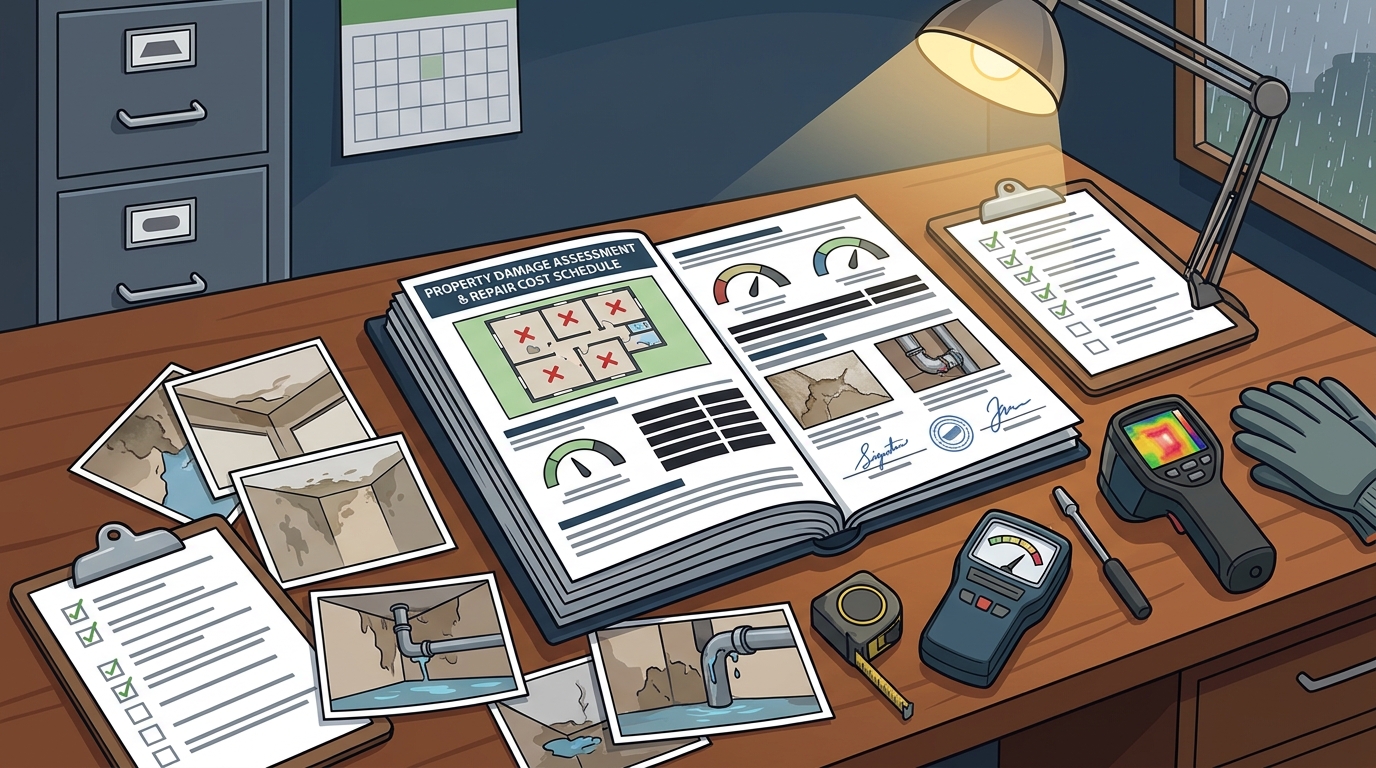
A professional leak detection report is not just a letter; it is a technical dossier. It must contain specific elements to be accepted by most insurance companies. The first component is a clear description of the symptoms that led to the investigation. This includes photos of damp patches, staining, or water pooling.
The second component is the diagnostic methodology. This section explains how the leak was found. For example, if we used thermal imaging, the report will include the infrared camera images showing the heat signature of the water. If acoustic listening was used, the report will describe the sound patterns detected. This transparency is crucial for the insurer's loss adjuster to verify the findings.
The third component is the precise location of the leak. This is often the most critical part. The report must state exactly where the pipe failed, including depth and proximity to other structures. For instance, a report might state that a 22mm copper pipe failed at a joint 1.5 meters below the concrete floor. This level of detail allows the insurer to approve the specific access works needed for repair.
Finally, the report includes recommendations for repair and drying. It outlines the steps needed to fix the leak and restore the property. This includes the need for dehumidifiers or structural drying. By providing a complete picture, the report helps the insurer understand the full scope of the claim.
Navigating Trace and Access Coverage
Many homeowners are confused about what "Trace and Access" means in their insurance policy. Trace and Access is a specific type of coverage that pays for the cost of locating the leak and accessing it for repair. It is distinct from the cost of the repair itself. Understanding this distinction is vital for managing your expectations and your claim.
UK Leak Detection works closely with this framework. Our reports are structured to align with the Trace and Access criteria. We provide evidence that the leak was hidden and that non-invasive methods were used to locate it. This helps the insurer justify the cost of the investigation. If the leak is obvious, such as a burst pipe in a visible location, Trace and Access cover may not apply. Our documentation helps clarify these nuances, ensuring you are not out of pocket for the investigation phase.
Submitting Your Claim: A Step-by-Step Guide
Once you have your leak detection report, the next step is submitting it to your insurer. This process requires attention to detail. First, notify your insurer of the incident as soon as possible. Most policies require immediate notification of sudden water damage. You should provide a brief summary of the situation and mention that you have engaged a specialist leak detection service.
Next, submit the full report. This should include all photos, technical readings, and the written summary. Ensure that the report is clearly labeled and easy to read. If your insurer has a specific portal for claims, upload the documents there. If they require email, send them to the designated claims address. Keep a copy of everything you send, including the date and time of submission.
After submission, your insurer will assign a loss adjuster to review the claim. They may contact you for further information or to arrange a site visit. Be prepared to provide access to the property and to answer questions about the incident. The loss adjuster will use the report to verify the findings. If the report is comprehensive, this process is usually straightforward. If there are any discrepancies, the adjuster will raise them, and you can address them with the help of your leak detection specialist.
Common Mistakes to Avoid in Claim Documentation
Even with a professional report, homeowners can make mistakes that delay their claims. One common error is failing to provide all relevant information. If you know that a specific appliance or pipe was old, mention it. If you have had previous leaks, disclose them. Withholding information can lead to claim rejection or even accusations of fraud. Honesty is the best policy when dealing with insurers.
Another mistake is assuming that the leak detection report is the only document needed. You may also need to provide photos of the damage, receipts for any emergency repairs, and a list of damaged items. Keep a record of all expenses related to the leak, including temporary accommodation if your home is uninhabitable. These documents support the financial aspect of your claim.
Finally, do not start repairs before the insurer has approved the scope of works. While it is understandable to want to fix the leak quickly, unauthorized repairs can complicate the claim. The insurer needs to agree on the method of repair and the cost before work begins. UK Leak Detection can help you communicate with your insurer to ensure that the repair plan is approved before any work is carried out. This prevents disputes and ensures that you are reimbursed for the work done.
Key Takeaways
- Proper documentation is a technical report that proves the leak's location and cause.
- Trace and Access cover pays for locating and accessing the leak, not the repair itself.
- Include photos, diagnostic methods, and precise location details in your report.
- Notify your insurer immediately and submit the report via their preferred channel.
- Disclose all relevant information to avoid claim rejection.
- Do not start repairs before the insurer approves the scope of works.
- Keep copies of all documents and communications for your records.
Frequently Asked Questions
What is a leak detection report?
A leak detection report is a technical document that details the location, cause, and extent of a water leak, including the methods used to find it.
Does my insurance cover the cost of leak detection?
Most home insurance policies include Trace and Access cover, which pays for the cost of locating and accessing a hidden leak, usually up to a specific limit.
How long does it take to get a leak detection report?
UK Leak Detection typically provides a report within 24 to 48 hours of the on-site investigation, depending on the complexity of the leak.
Can I use any leak detection company for my claim?
Yes, but it is best to use a specialist who provides detailed, insurer-accepted reports. UK Leak Detection is experienced in working with insurance companies.
What if my insurer rejects my claim?
If your claim is rejected, you can appeal by providing additional evidence or seeking a second opinion from another specialist. UK Leak Detection can help with this process.
Do I need to be present during the leak detection?
It is helpful to be present to answer questions and provide access, but it is not always mandatory. You can arrange for someone else to be present if you are unavailable.
Conclusion
Getting proper documentation for your water leak insurance claim is essential for a smooth and successful outcome. By understanding the role of the report, the components it must include, and the steps to submit it, you can protect your interests and ensure that you are reimbursed for the damage. UK Leak Detection is here to help you navigate this process with confidence. Our team of experts provides the detailed, insurer-accepted reports that you need to support your claim. If you are dealing with a water leak, to arrange a professional investigation.