

What Happens After Leak Detection and How Results Improve Your Property Long Term
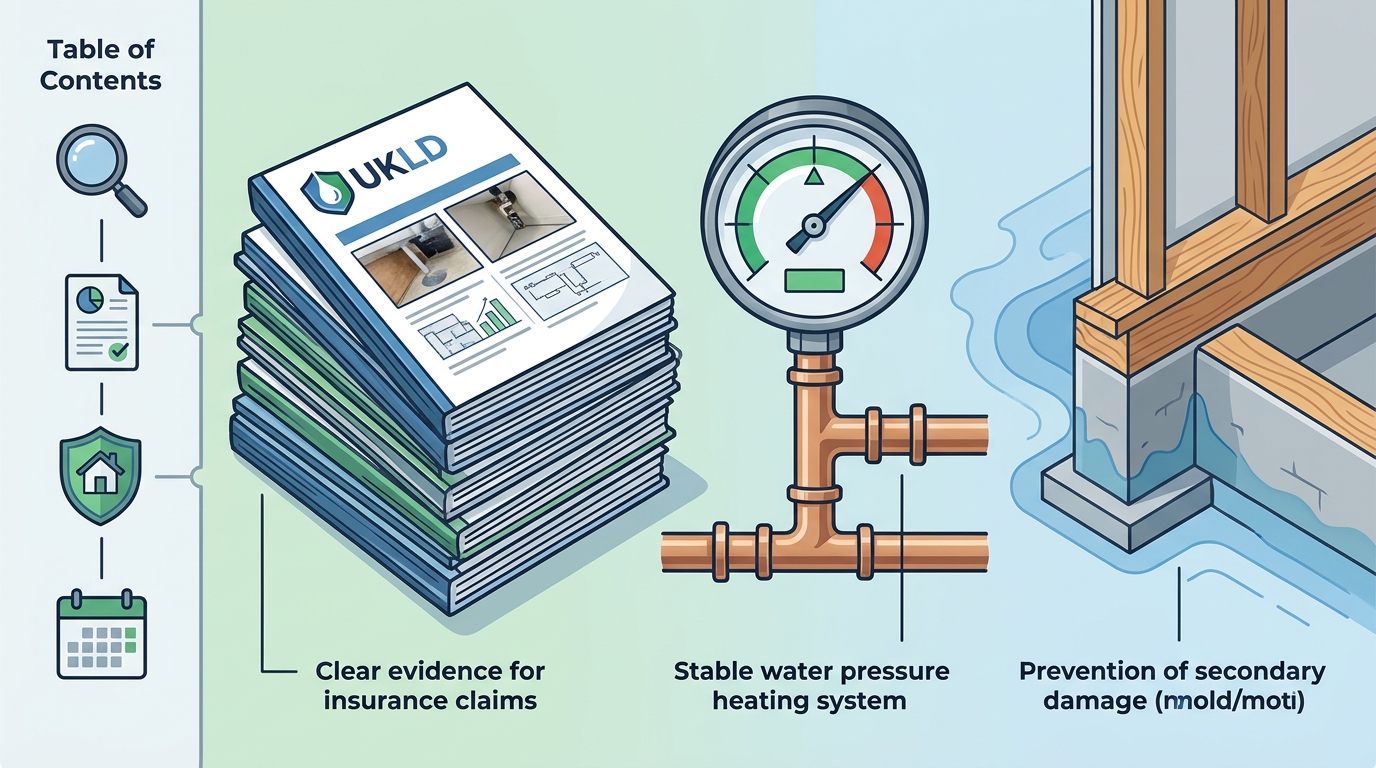
After a successful leak detection survey, the immediate focus shifts to precise repair and system restoration. Long-term property improvement comes from eliminating the root cause, restoring water pressure stability, and preventing secondary damage like mould or structural rot. UK Leak Detection provides clear photographic reports and technical evidence that support insurance claims and guide future maintenance, ensuring your home remains protected against recurring water damage.
Immediate Post-Detection Actions and Repairs
Once a leak is located, the next step is targeted access and repair. Unlike destructive digging or random floor lifting, non-invasive detection allows engineers to pinpoint the exact breach. This precision minimizes the amount of flooring, plaster, or concrete that needs to be removed. For example, if a leak is found beneath a concrete screed, only the specific area above the pipe needs to be exposed. This approach significantly reduces restoration costs and labor time compared to traditional trial-and-error methods.
After the pipe is repaired, the system must be re-pressurized and tested. Engineers typically perform a pressure test to confirm the leak has been sealed. This verification step is critical because it ensures the repair is effective before any restoration work begins. It prevents the frustration of restoring a floor only to find the leak has returned.
Restoring System Health and Efficiency
Hidden leaks often dilute the protective inhibitors in central heating systems. When water escapes, the concentration of corrosion inhibitors drops, leading to rust and sludge formation. This degradation can cause blockages and reduce heating efficiency over time. Restoring the system involves flushing out any debris and re-dosing with appropriate inhibitors. This process protects the boiler and radiators from long-term corrosion, extending the lifespan of your heating equipment.
For water supply leaks, the focus is on ensuring the pipework is intact and the stop cocks are functional. Knowing where your isolators are and that they work is a vital part of post-repair safety. A well-maintained system operates at stable pressure, reducing the strain on your boiler and preventing unexpected shutdowns. This stability is a key indicator of long-term property health.
Preventing Secondary Damage and Mould Growth
Water damage rarely stops at the leak itself. Moisture can spread to surrounding materials, causing plaster to soften, timber to rot, and mould to grow. Post-detection, it is essential to assess the extent of moisture saturation. Damp investigation is a crucial part of this process, using thermal imaging and moisture meters to map the affected area. If mould is present, the area must be properly dried and treated to prevent health risks and structural deterioration.
Untreated damp can lead to wet rot and poor indoor air quality, which are costly to remediate later. By addressing the moisture source immediately after the leak is fixed, you prevent these secondary issues. UK Leak Detection provides recommendations for drying and ventilation as part of their reports, ensuring that the property is not just repaired but fully restored to a healthy state.
Insurance Claims and Documentation
Accurate documentation is vital for insurance claims, particularly for Trace and Access cover. Many home insurance policies include this cover, which can help pay for locating and accessing a hidden leak. A detailed report from a specialist leak detection service provides the evidence insurers need. This includes photographic proof of the leak location, technical explanations of the fault, and a clear timeline of events.
Having a professional report can streamline the claims process and reduce disputes. It demonstrates that the leak was located using advanced technology rather than guesswork. This documentation also serves as a valuable record for future property sales or maintenance, showing that the issue was professionally diagnosed and resolved. It adds a layer of transparency and trust to your property’s history.
Long-Term Property Value and Maintenance
Addressing leaks promptly and professionally protects your property’s value. Hidden water damage can significantly reduce a home’s market value if discovered during a survey. By resolving the issue with a certified repair and providing evidence of the fix, you maintain the integrity of your property. This proactive approach is a smart investment in your home’s long-term worth. according to Publication 527 2025
Regular maintenance and monitoring are also part of the long-term strategy. Checking your water meter for small leaks and monitoring boiler pressure can help catch issues early. UK Leak Detection offers guidance on these practices, empowering homeowners to take control of their property’s health. This ongoing vigilance ensures that minor issues do not escalate into major, costly repairs.
Key Takeaways
- Non-invasive leak detection minimizes property damage by allowing for targeted repairs.
- Restoring system inhibitors and pressure is essential for long-term heating efficiency.
- Post-repair drying and mould treatment prevent secondary structural damage.
- Professional reports support insurance claims and provide a valuable property record.
- Regular monitoring of water meters and boiler pressure helps catch future issues early.
- Accurate documentation enhances property value and transparency for future sales.
Frequently Asked Questions
How long does it take to repair a leak after detection?
Repair times vary depending on the location and complexity of the leak. Simple pipe repairs may take a few hours, while more complex issues involving concrete or screed can take a day or two. The key is that the repair is targeted, minimizing overall disruption.
Do I need to replace the entire pipe system?
Usually, no. Most leaks are localized to a specific section of pipe or a joint. Only the affected area needs to be repaired. Replacing the entire system is rarely necessary unless the pipework is extensively corroded or outdated.
How can I prevent future leaks?
Regular maintenance, monitoring water pressure, and checking your water meter for small leaks are effective prevention strategies. Ensuring your stop cocks work and keeping your heating system properly inhibited also helps protect against future issues.
Will my insurance cover the repair costs?
Many home insurance policies include Trace and Access cover, which can help with the cost of locating and accessing a hidden leak. It is important to check your policy details and provide the insurer with a professional report from the leak detection service.
What should I do if the leak returns?
If the leak returns, it is important to contact the repair engineer or a specialist leak detection service immediately. A returning leak may indicate a different fault or a failed repair. Professional re-diagnosis is the best way to resolve the issue permanently.
Conclusion
Leak detection is not just about finding a problem; it is about restoring your property’s health and protecting its long-term value. By using advanced, non-invasive technology and providing clear documentation, UK Leak Detection ensures that you get accurate results and practical next steps. To secure your property’s future, for a professional assessment.